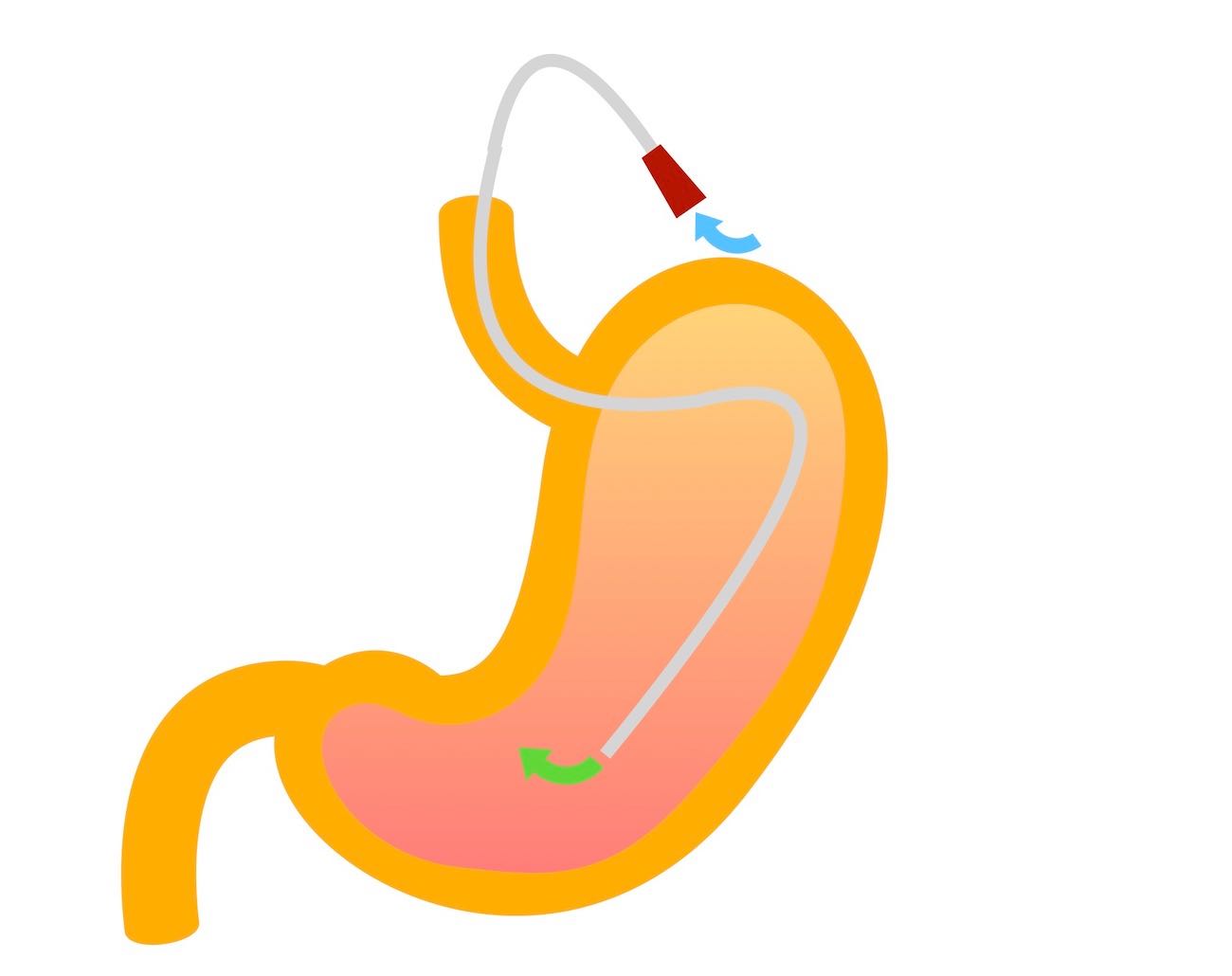
appendix 1: Administration of medicines via enteral feeding tubes
Narrow tubes and long tubes are more likely to become blocked
In general for tubes < 8 Fr diameter, check with the ICU pharmacist before administering dose
The correct formulation and effective flushing is required to prevent blockage
Use equipment specifically designed for enteral administration to stop the risk of inadvertent intravenous administration
Stop feed & flush the tube with 20 mL1 water
Give each medicine in a separate enteral syringe diluted appropriately before administering
Prepare & administer one medicine before drawing up the next
Flush the tube with 10 mL1 water between each medicine to prevent interaction within the tube
Flush the tube with 30 mL1 water following administration of the last medicine
Restart the feed if appropriate. The ICU dietician or pharmacist may advise a longer period for certain medication
1: Paediatric or fluid restricted patients may need smaller flush volumes. If unsure, please check with the ICU pharmacist or dietician
DO NOT administer medicines via tubes being used for aspiration or those on free drainage
DO NOT crush long acting/slow or controlled release tablets
DO NOT crush enteric coated tablets
For jejunal feedings tubes, some medicines may have decreased absorption due to the differing pH than that of the stomach. Discuss with the ICU pharmacist
Consider withholding non-essential treatment if enteral tube administration is necessary
Use liquid formulations in preference to tablets where available
There may be differences in enteral tube administration between different available brands. If in doubt, please check with the ICU pharmacist